

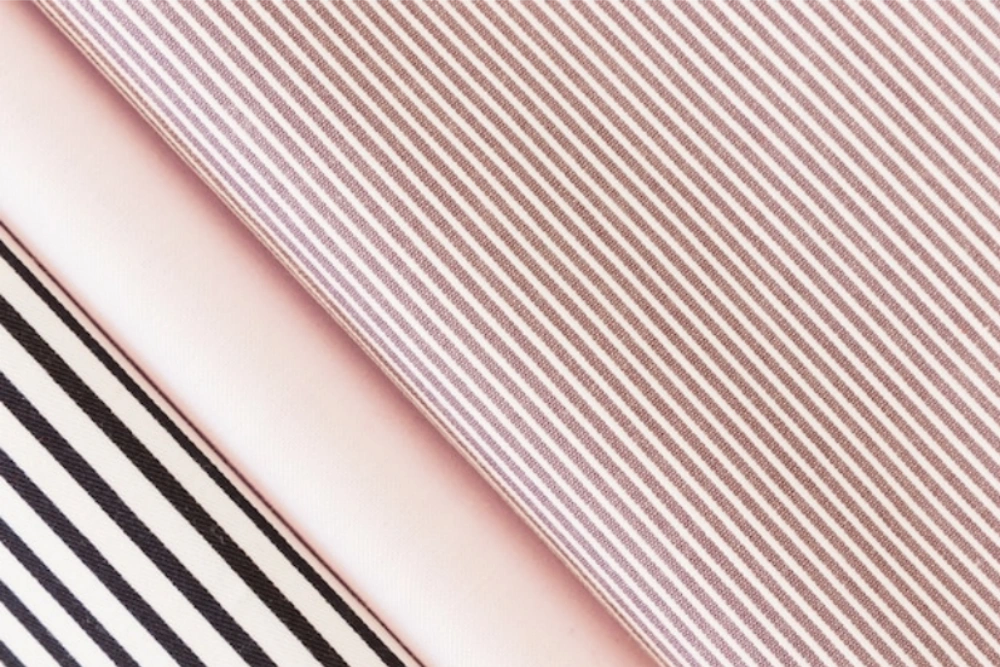
Lining fabric plays an essential role in garment construction, providing added comfort, structure, and durability. Typically, these fabrics are more than just an aesthetic choice; they enhance the wearability and longevity of a piece. Lining fabric ensures that garments feel smooth against the skin, prevent clinging, and provide a polished finish. This blog will navigate into the landscape of lining fabric so as to offer a panoramic view of this kind of fabric.
Types of Lining Fabrics
Lining fabrics play a crucial role in garment making, offering benefits such as improved garment structure, comfort, and breathability. This section will foucs on its key varieties, which include silk, cotton, and synthetic options, each with unique properties.
Silk Lining Varieties

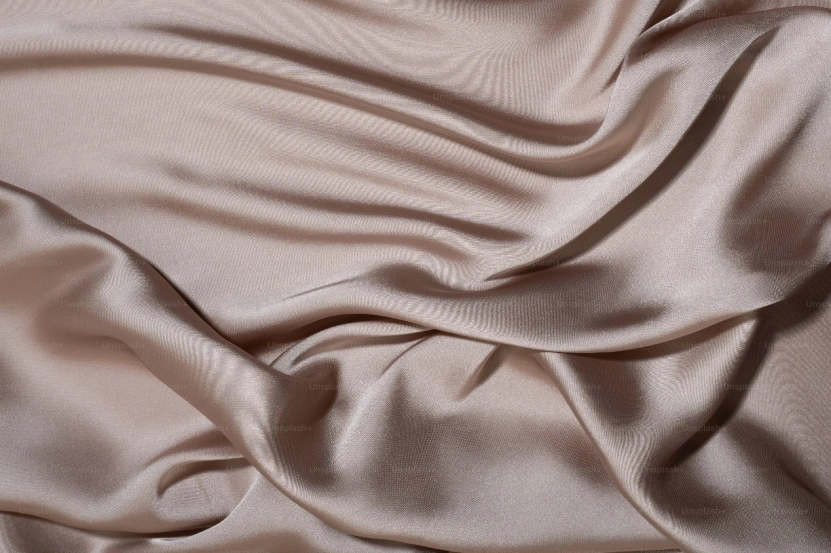
Silk offers unparalleled luxury and comfort due to its highly breathable and excellent draping qualities. It has many varieties. China silk is a lightweight option, often used in elegant garments. Charmeuse silk provides a slippery, glossy finish ideal for more formal wear. Silk Habotai is another soft, smooth variety with a subtle sheen, frequently used for linings due to its affordability and durability. Satin silk, though thicker than the other varieties, adds a touch of luxury with its glossy surface. Its sturdier texture makes it suitable for heavier garments.
Cotton and Its Comfort
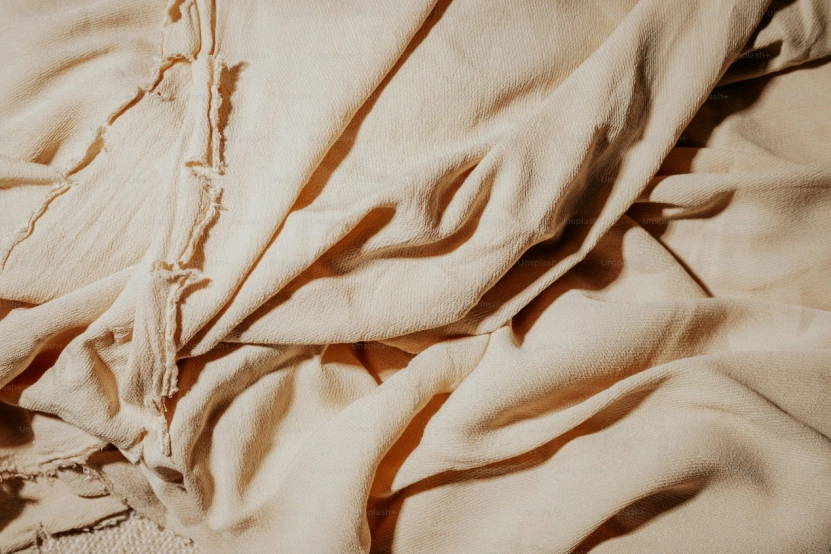
Cotton linings are preferred for their breathability and versatility. They are used in various garments from casual wear to formal attire due to their comfort and ease of care. Their strength relates to the length and twist of its fibers, making it durable and resistant to abrasion.
Cotton linings are particularly beneficial for knit garments as they absorb moisture well, reducing discomfort. They are also hypoallergenic, making them suitable for sensitive skin. While cotton does not have the glossy appearance of silk or satin, it provides excellent comfort, is machine washable, and is more economical.
Synthetic Options
Synthetic fabrics like polyester, rayon, acetate, and viscose offer numerous advantages, including affordability and ease of care. Bemberg rayon, a branded Cupro fabric, is popular for its breathability and soft texture. It prevents static cling and improves the garment’s drape.
Viscose provides good breathability and imitation silk texture, making it a cost-effective choice. Polyester linings are durable, wrinkle-resistant, and quick-drying, ideal for everyday wear. Acetate linings add a glossy touch but are less durable than other synthetics. Overall, these materials offer versatile and low-maintenance options for lining fabrics, suitable for many types of garments.
The Role of Lining in Garment Construction
Lining provided by companies like JHThome in garments serves multiple purposes, ranging from enhancing durability, improving comfort, to adding aesthetic value, each of which plays a vital role in the overall quality and wearability of the clothing item. This section will revolve around these functions, focusing on their effects on clothes.
Enhancing Durability and Structure
Lining is crucial for enhancing the durability and structure of garments. By covering the inner seams and edges, it prevents the fabric from fraying and adds an extra layer of protection. This is particularly important for garments made from delicate or easily-worn materials. For example, adding lining to wool or tweed jackets helps maintain their shape and integrity over time.
Moreover, lining helps distribute stress more evenly across the fabric, reducing wear and tear. It acts as an internal scaffold, providing consistency and allowing the garment to retain its intended structure and fit. This increases the garment's lifespan, offering a considerable return on investment for the consumer.
Improving Comfort and Insulation
Lining significantly improves the comfort and insulation of a garment. The material of the lining often feels soft against the skin, creating a barrier between the outer fabric and the wearer. This is essential for garments made of rough or heavy materials like wool or tweed.
Lining also adds an element of insulation, which is vital for cold-weather clothing such as coats and jackets. It helps retain body heat while offering breathability to prevent overheating. In addition, lining can wick moisture away from the skin, keeping the wearer comfortable for extended periods.
In addition, certain linings, such as those made from silk or satin, offer a sense of luxury, enhancing the overall comfort and experience of wearing the garment.
Aesthetic Enhancement and Practicality
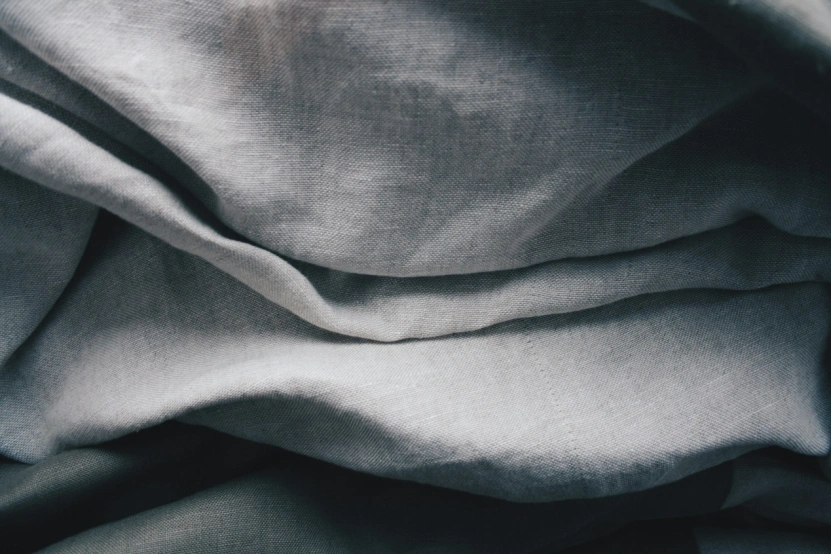
From an aesthetic standpoint, lining can make a garment look more polished and refined. It conceals internal construction elements like seams, padding, and interfacing, giving the garment a smooth, finished appearance. This is especially important in high-end fashion, where the inside of a garment should look as impeccable as the outside.
Lining also makes garments more practical. It provides opacity to otherwise transparent fabrics, making the garment appropriate for various occasions.
Additionally, the lining can make it easier to slide the garment on and off, which is particularly useful for fitted items like tailored suits and dresses.
In summary, lining enhances both the aesthetic and practical aspects of a garment, contributing to a more luxurious and functional piece of clothing.
Specialty Lining Fabrics and Their Uses
Specialty lining fabrics offer unique advantages tailored for specific applications, from high-end fashion to outdoor performance gear. These linings not only enhance the aesthetic of garments but also improve their functionality.
High-End Fashion and Evening Wear
In high-end fashion, silk linings are paramount. Silk habotai, silk satin, and silk crepe are preferred for their luxurious feel and elegant sheen. These natural fibers drape beautifully, making them ideal for evening gowns and designer suits. Bemberg lining fabric is another favorite due to its smooth texture and glossy finish, which elevates the garment's inner appeal. For added comfort, these linings often feature breathable fabric properties, ensuring the wearer stays comfortable during extended wear. High-end designers frequently combine these linings to achieve a perfect balance of luxury and functionality.
Outdoor and Performance Apparel
Performance apparel requires linings that offer durability and practicality. Here, synthetic fibers like polyester and nylon are prominent. These materials provide excellent abrasion resistance and moisture-wicking properties, crucial for active wear. Fleece and sherpa linings are essential for thermal insulation in cold weather garments. Stretch linings are added to ensure ease of movement without compromising the garment's fit. Breathable fabric linings like mesh are often integrated to maintain ventilation while protecting against external elements. Such linings are commonly used in outerwear like jackets, sports gear, and performance suits.
Unique Applications and Blends
Unique applications often require a blend of natural and synthetic fibers. Bemberg lining fabric is popular in multi-functional garments due to its ability to prevent static cling while offering a comfortable and visually appealing inner layer. Silk-cotton blends combine the breathable and hypoallergenic properties of cotton with the luxurious feel of silk, making them suitable for a variety of garments, from casual wear to formal attire. Stretch lining fabrics are increasingly used in fashion design, particularly in form-fitting dresses and suits, providing both style and flexibility. The right blend enhances the garment's overall performance and aesthetic appeal, catering to specific requirements and preferences.